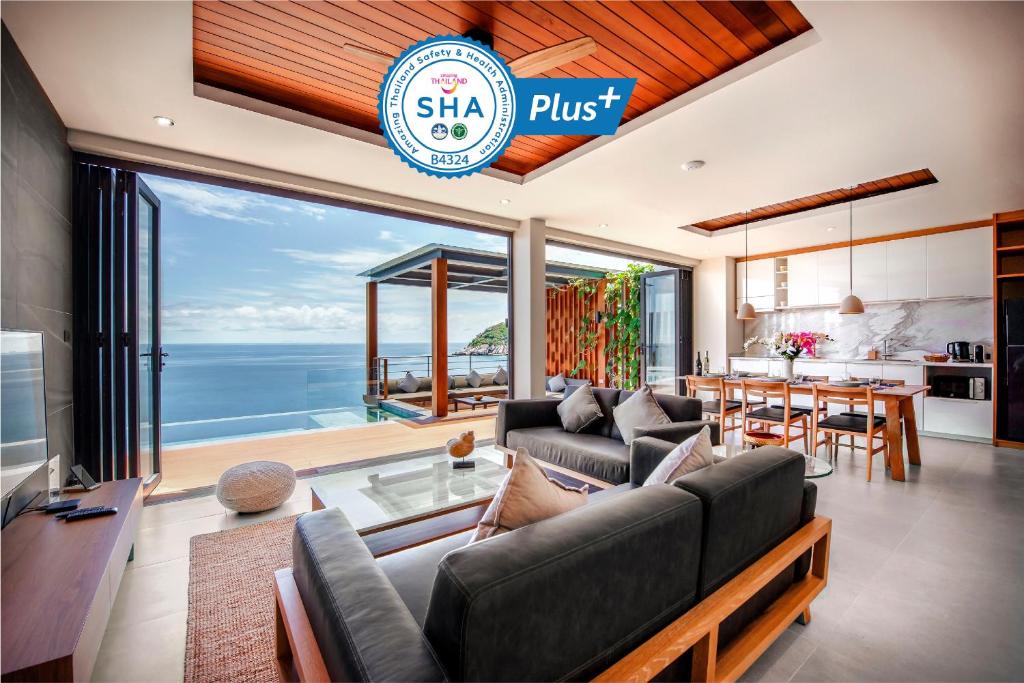
Koh Tao Heritage
Mae Haad · 0.7 km from the centre
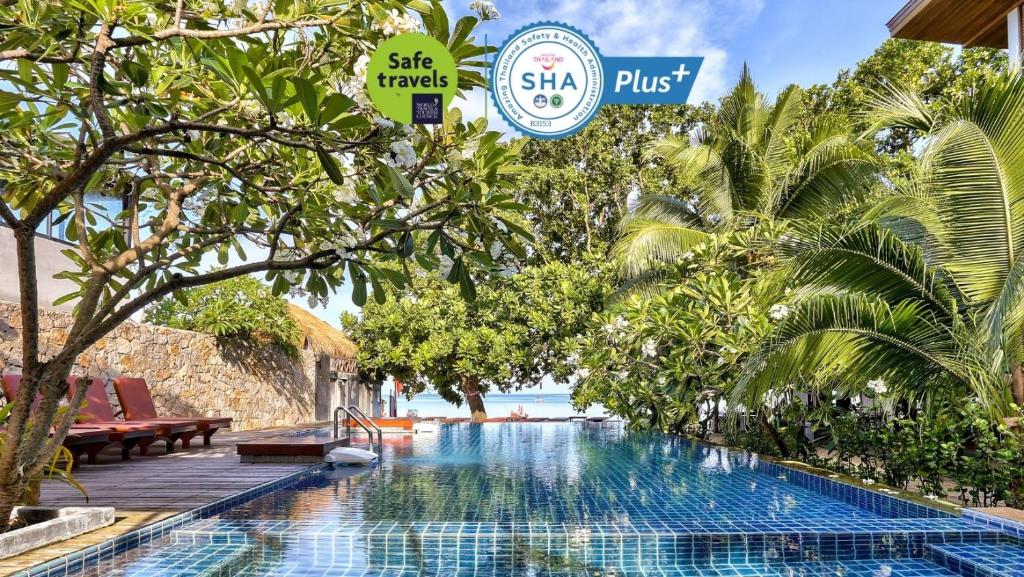
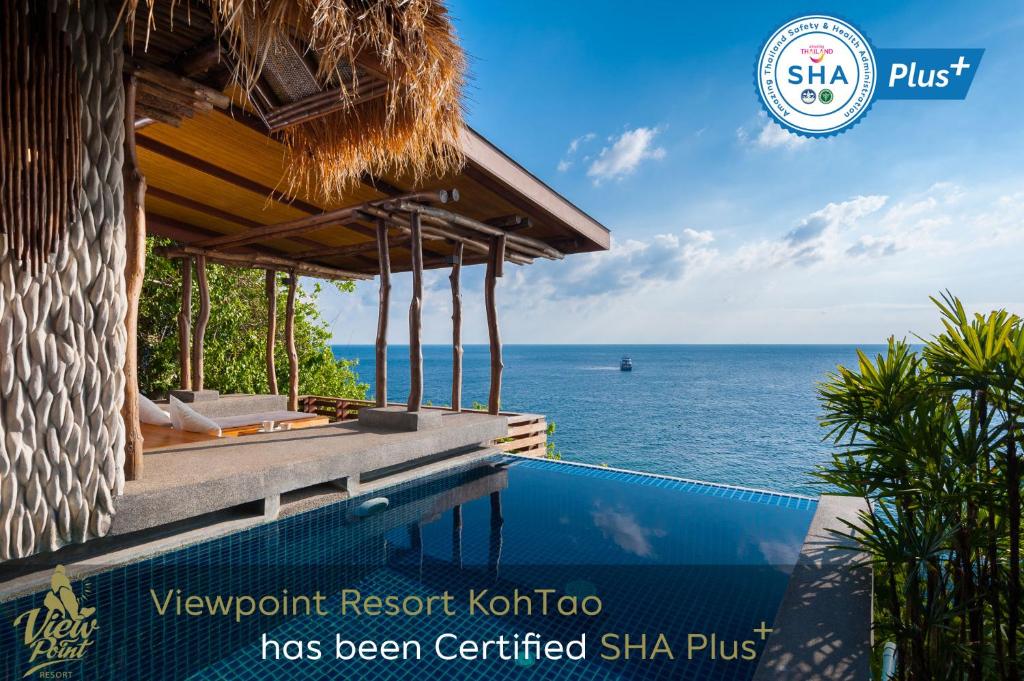
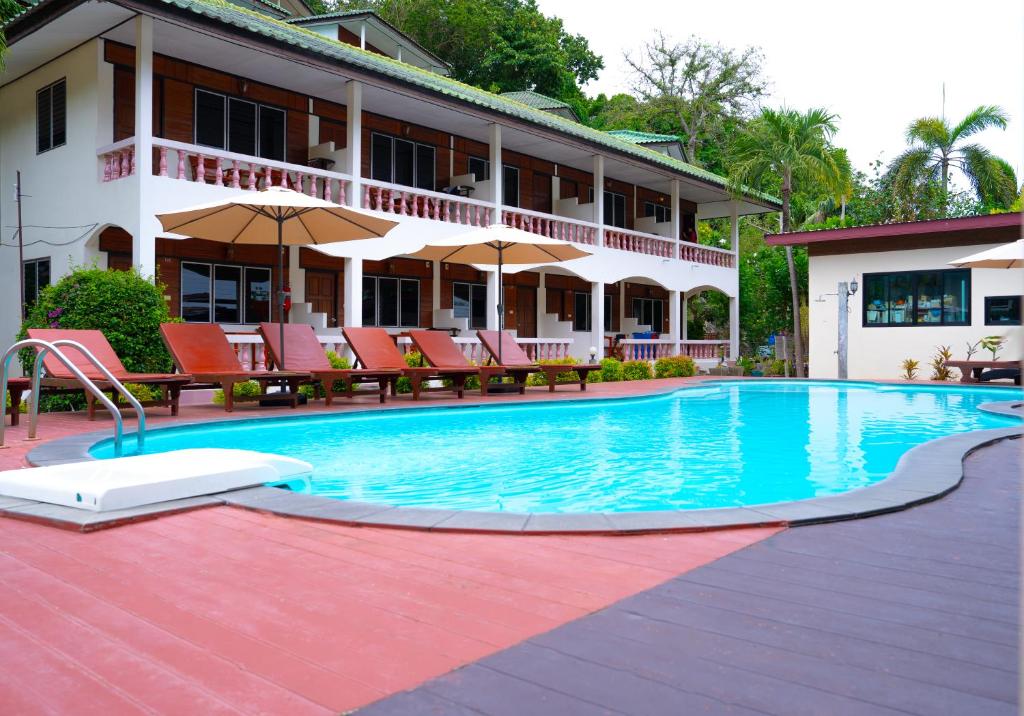
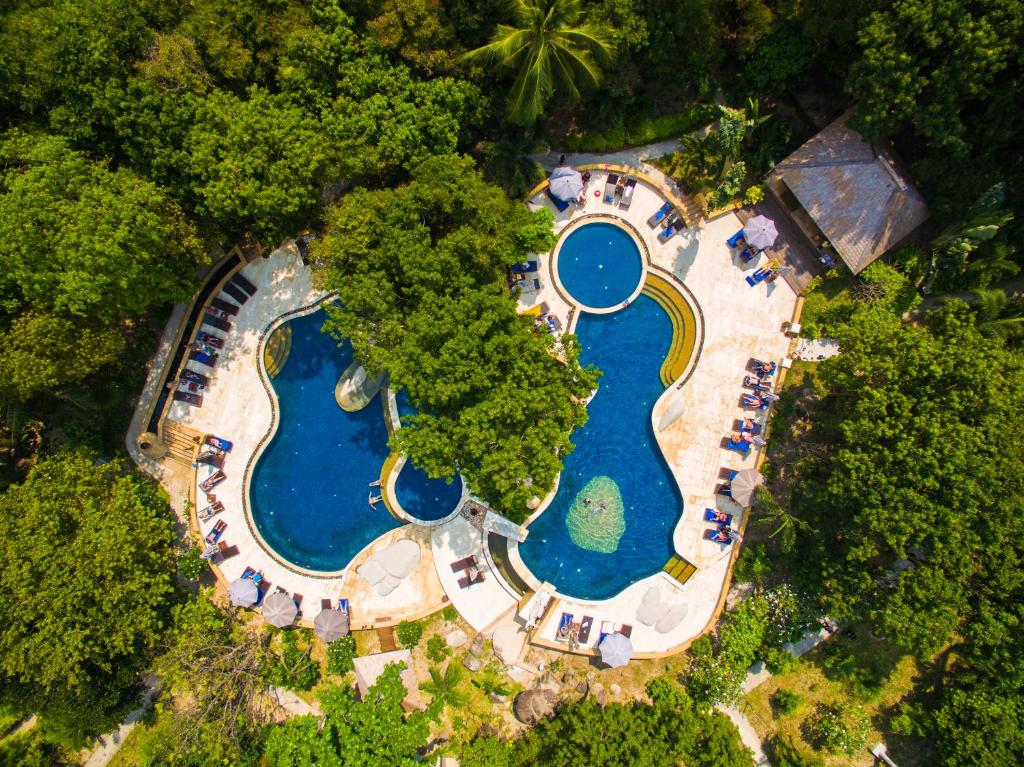
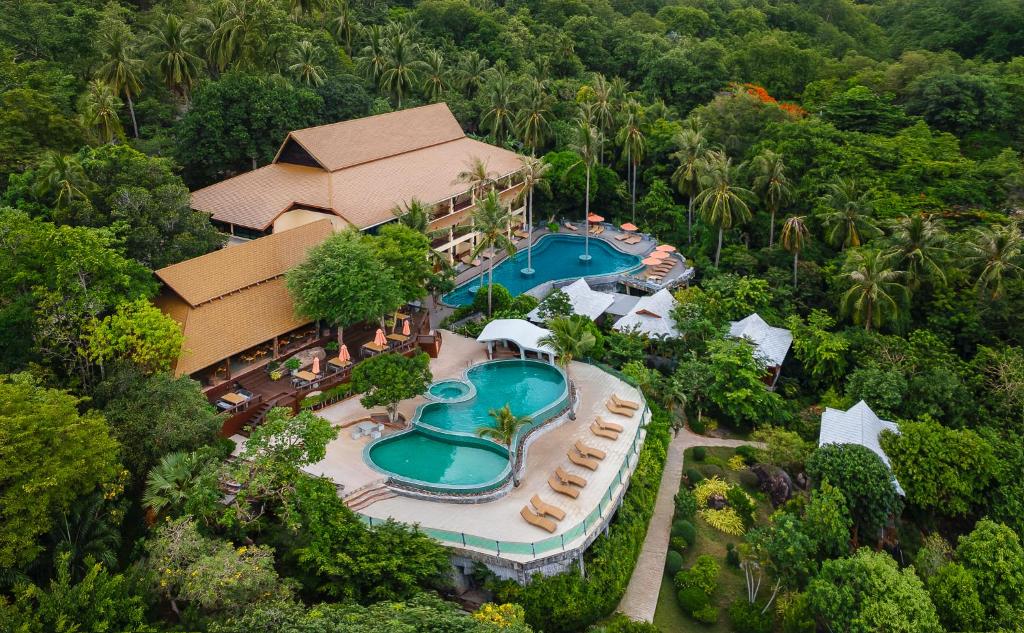
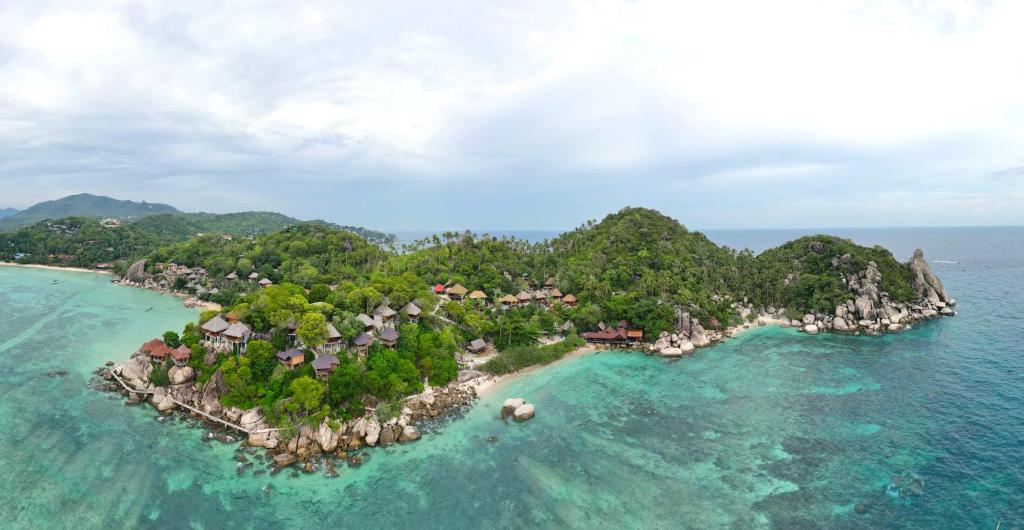
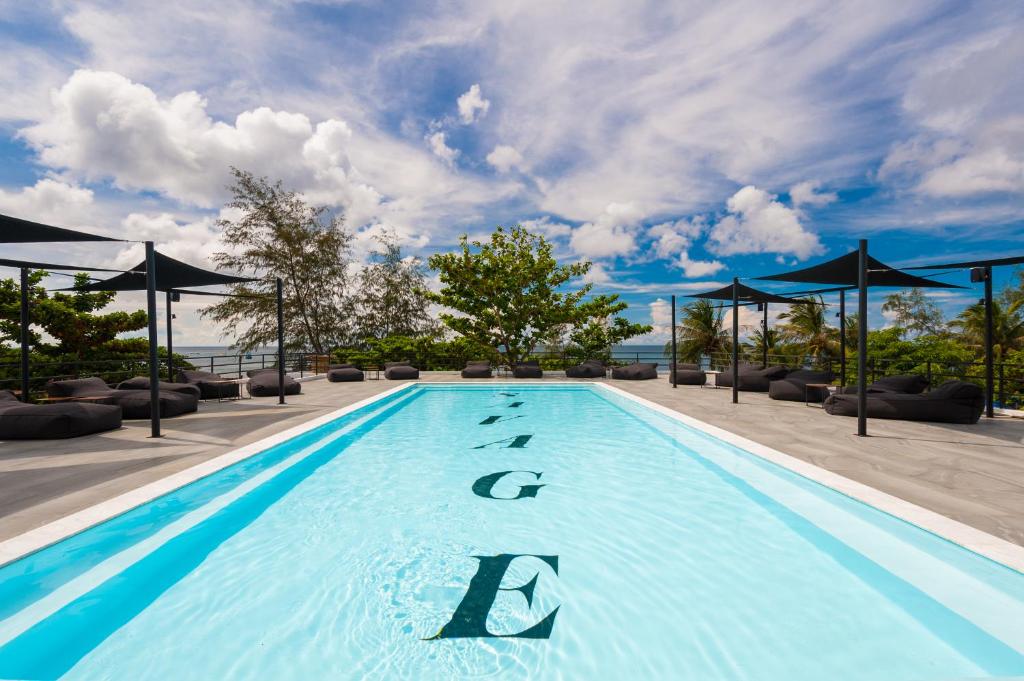
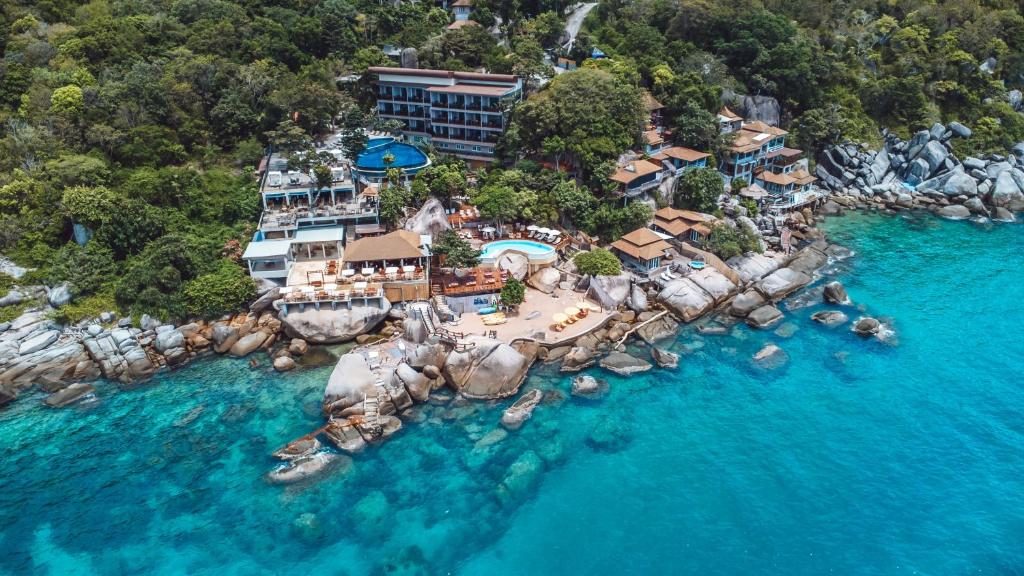
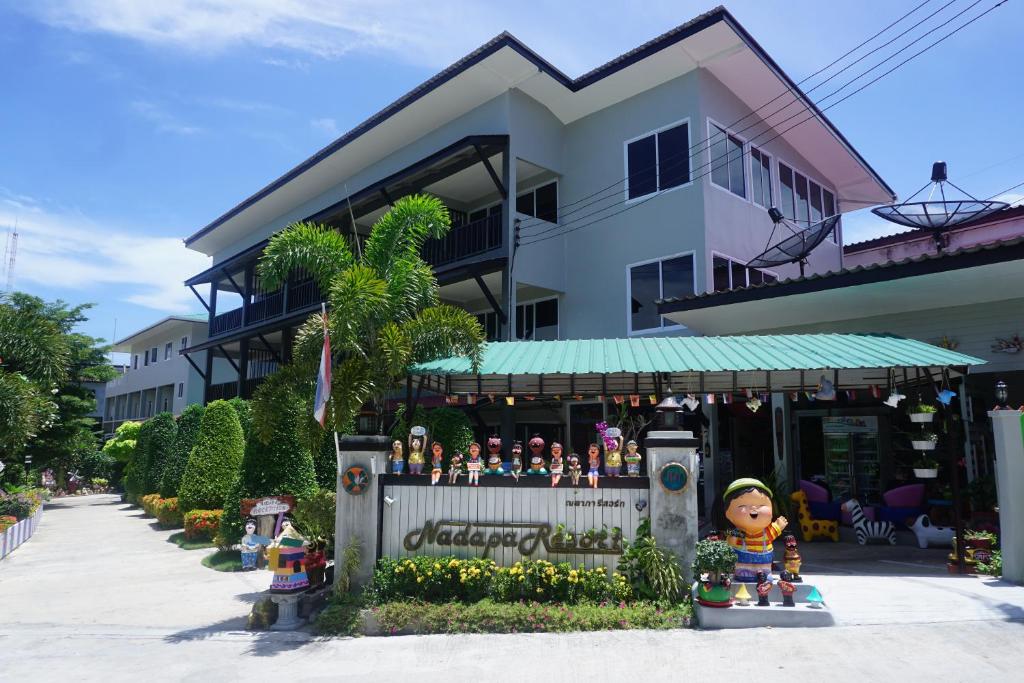
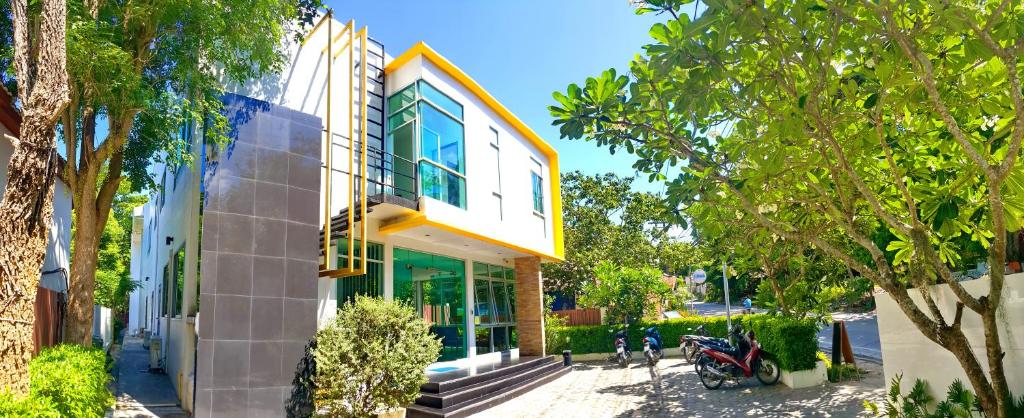
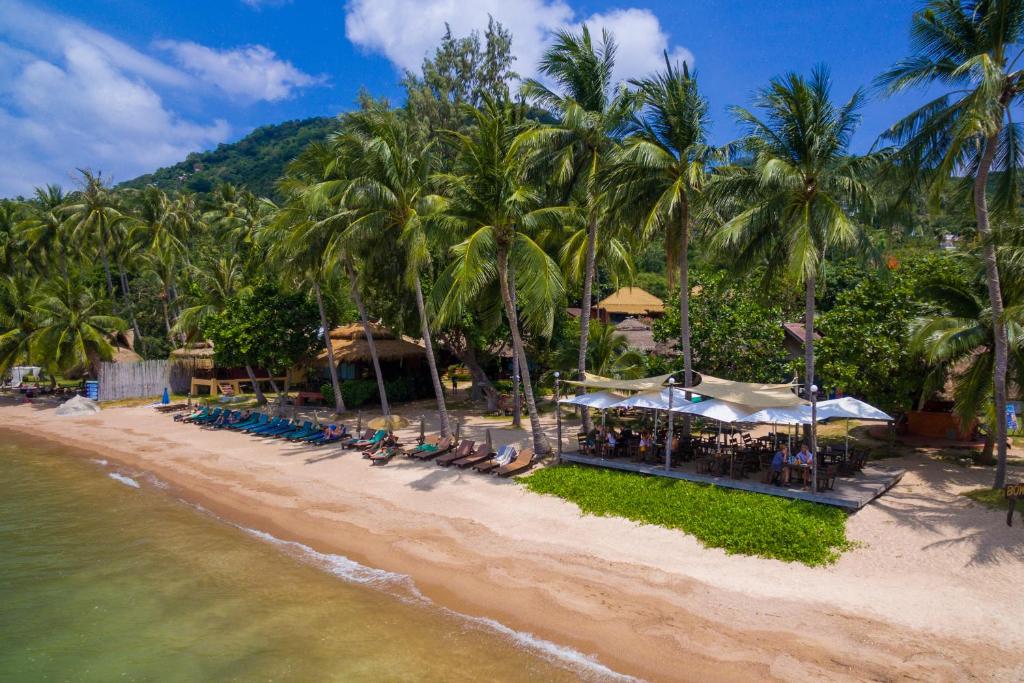
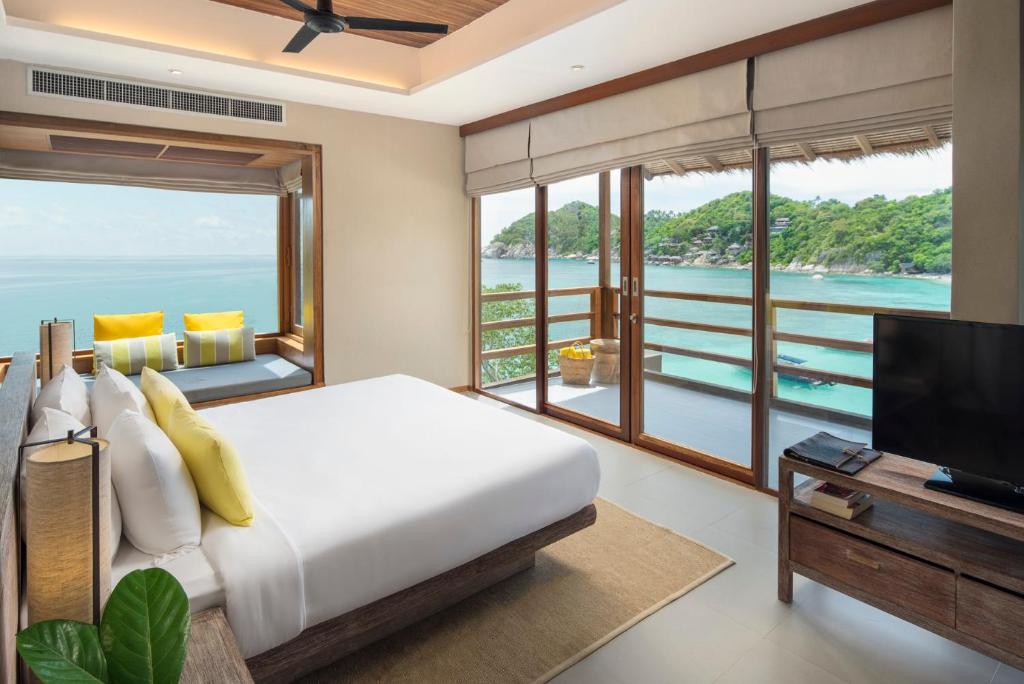
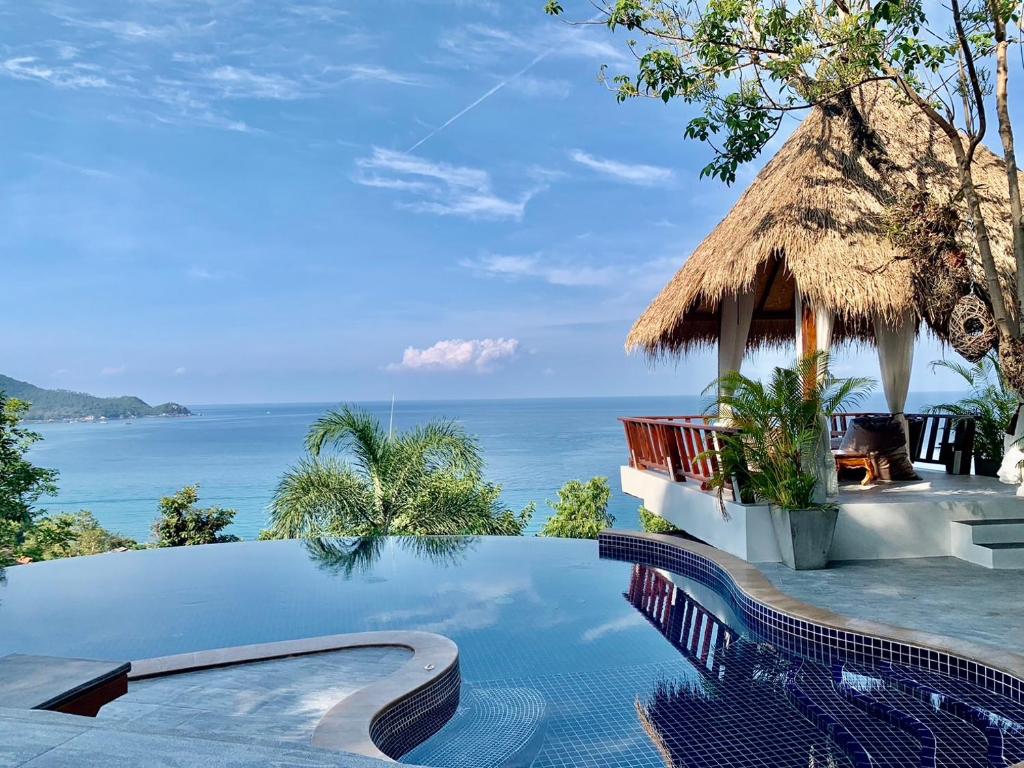
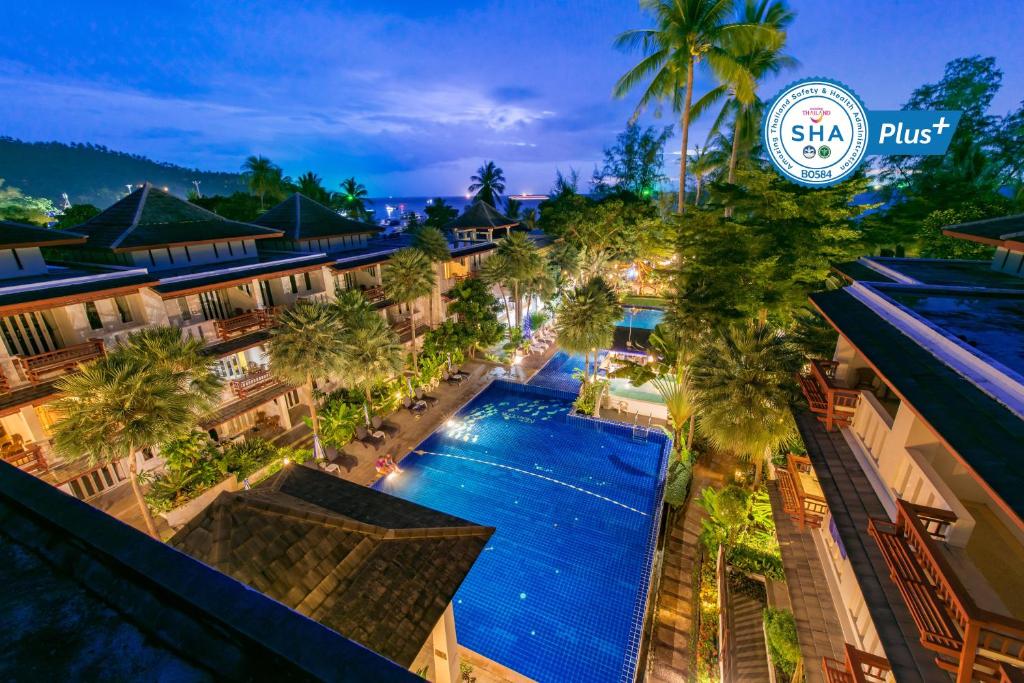
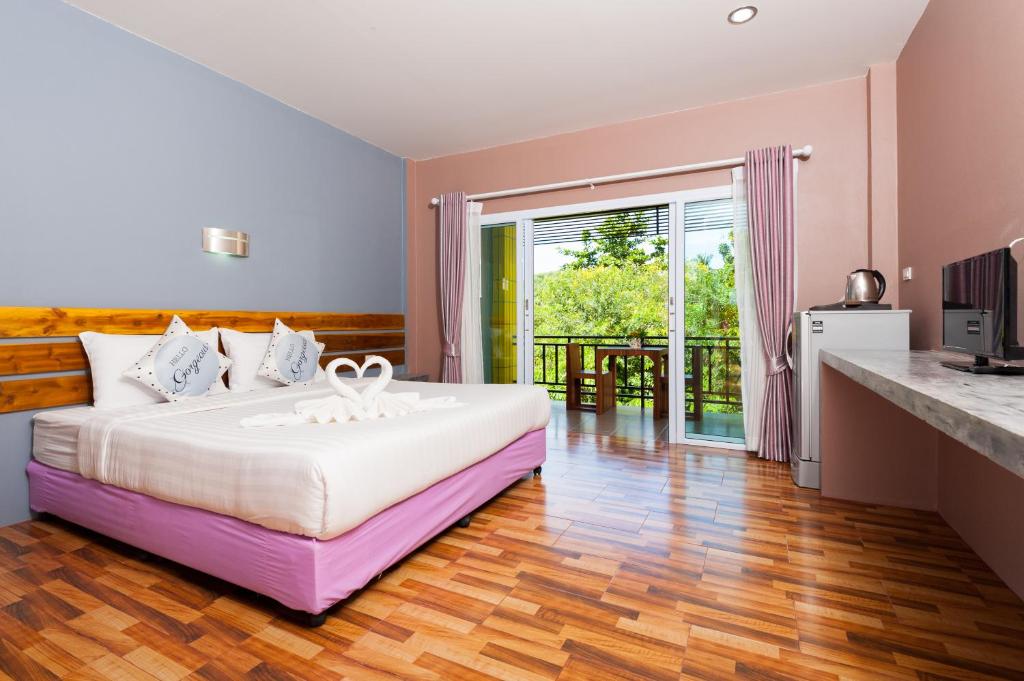
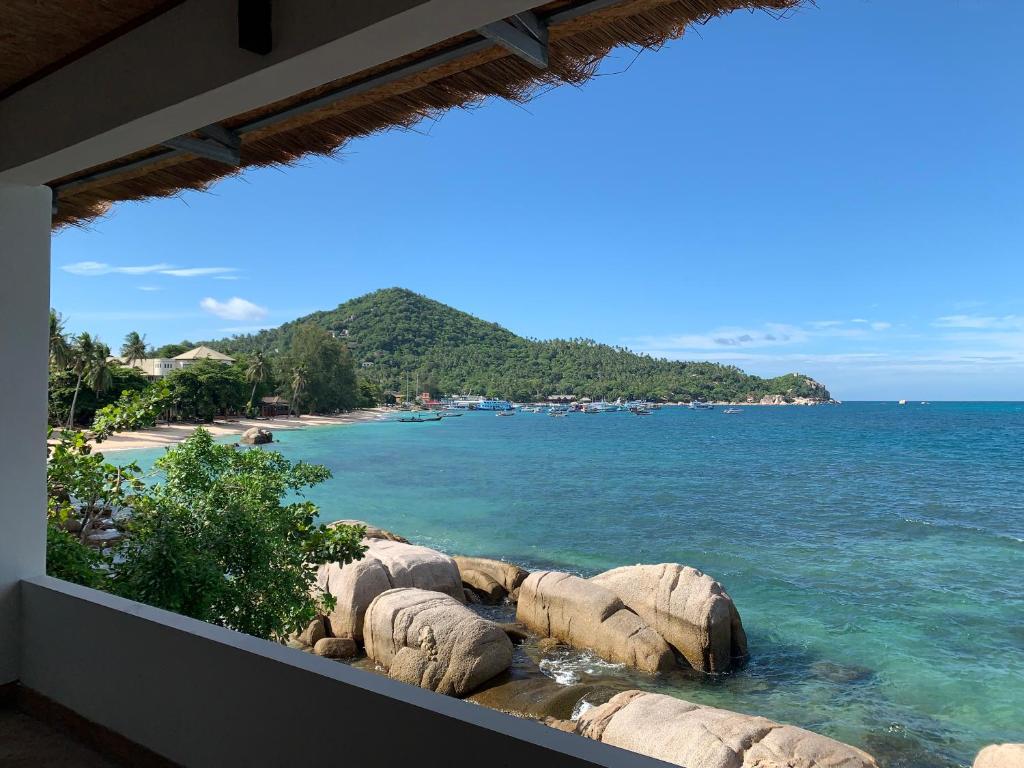
Koh Tao Heritage is a resort in Mae Haad with a sea-view pool, family rooms, a restaurant and nearby beaches, ferry connections and diving.

206 places to stay in Koh Tao: resorts, villas and hotels, area by area
206 accommodations · 63 resorts · 36 villas · 35 hotels
206 accommodations
Mae Haad · 0.7 km from the centre
Koh Tao Heritage is a resort in Mae Haad with a sea-view pool, family rooms, a restaurant and nearby beaches, ferry connections and diving.
Sairee Beach · 2.0 km from the centre
A beachfront resort on Sairee Beach, Koh Tao, with outdoor pools, varied room layouts, sea-view options, three on-site restaurants and a free transfer from Mae Haad pier.
Chalok Baan Kao · 2.1 km from the centre
A beachfront resort in Chalok Baan Kao on Koh Tao, with sea-view rooms, a private beach, a Thai restaurant and spacious villas with private pools.
Chalok Baan Kao · 2.0 km from the centre
A beachfront resort in Chalok Baan Kao, Koh Tao, with sea-view bungalows, an outdoor pool, Thai and international dining, and free private parking nearby.
Mae Haad · 0.5 km from the centre
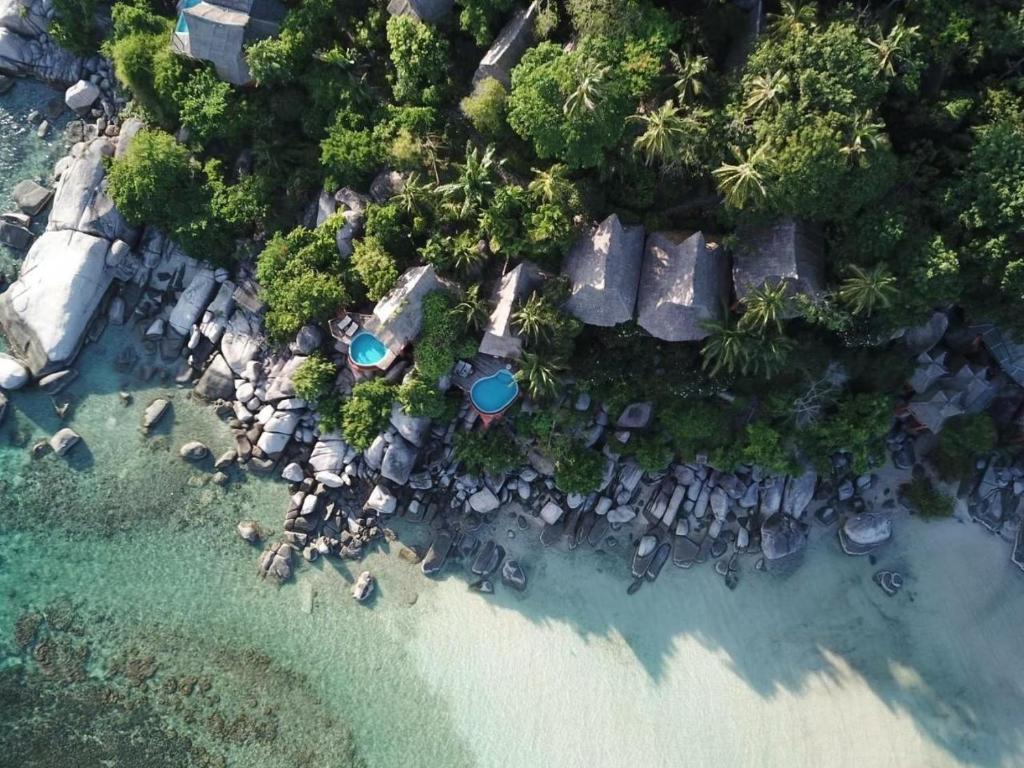
A 3-star resort in Mae Haad, Koh Tao, with wooden bungalows, a private beach, outdoor pool, sea-view rooms and a restaurant serving seafood and local dishes.
Tanote Bay & Ao Leuk · 2.2 km from the centre
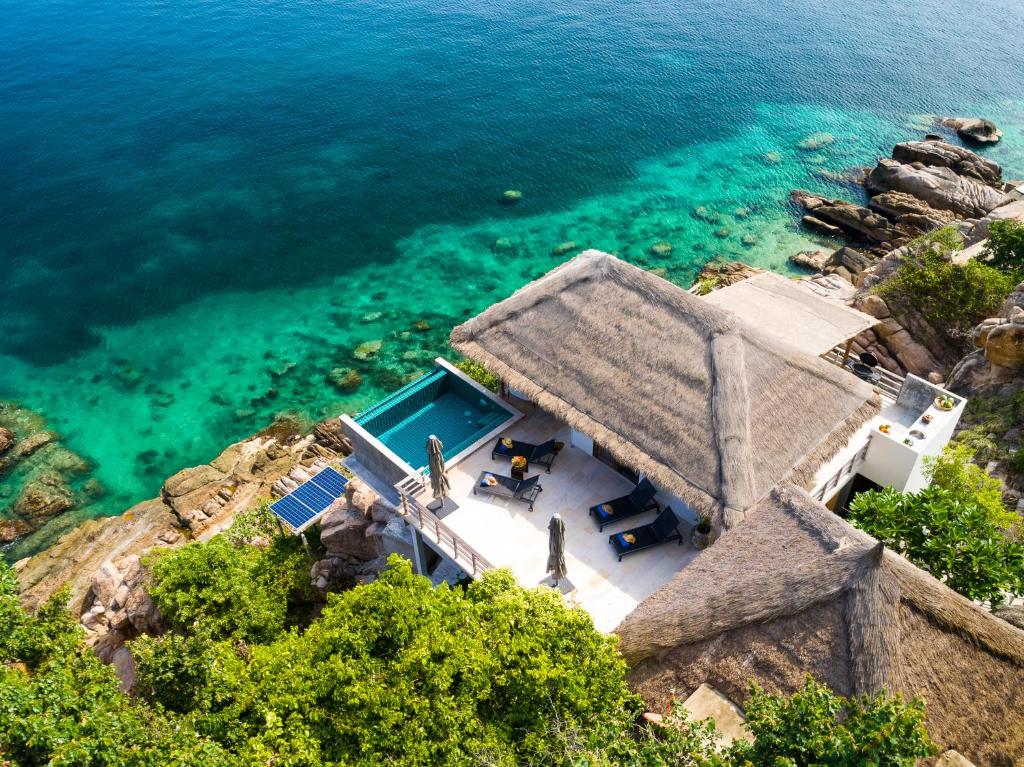
Tanote Villa is a hillside resort in Tanote Bay & Ao Leuk, Koh Tao, with sea-facing pools, garden and sea-view rooms, family accommodation and private-pool villas.
Chalok Baan Kao · 2.5 km from the centre
A three-star resort in Chalok Baan Kao, Koh Tao, with a private beach, sea-view bungalows and villas, a private-pool option, family accommodation and on-site dining.
Sairee Beach · 1.3 km from the centre
A Sairee Beach hostel on Koh Tao with air-conditioned dormitory pods, private rooms, a rooftop sea-view pool, on-site dining and island activities.
Sairee Beach · 3.6 km from the centre
A four-star resort on Sairee Beach, Koh Tao, with Gulf-facing suites, private-pool options, family layouts, Sunset Restaurant and snorkelling excursions around the island.
Shark Bay & Sai Daeng · 2.3 km from the centre
A five-star resort on Koh Tao’s Shark Bay & Sai Daeng coast, with sea-view rooms, a private beach, an on-site diving centre, spa and pool villas.
Mae Haad · In the centre
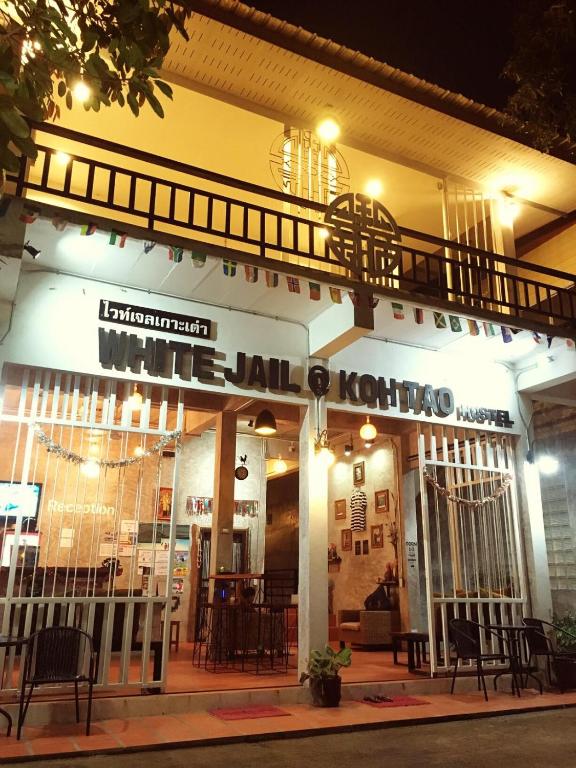
A Mae Haad hostel on Koh Tao with private rooms and mixed dorms, balconies and terraces, an on-site bar, free WiFi and free private parking near the pier.
Sairee Beach · 2.4 km from the centre
Koh Tao Cabana is a four-star resort on Sairee Beach, Koh Tao, with sea-view cottages, private-pool villas, beachfront dining and on-site water sports.
Shark Bay & Sai Daeng · 2.6 km from the centre
Four-star villas in Shark Bay & Sai Daeng on Koh Tao, with sea-view private pools, spacious family layouts, terraces and shuttle service to the pier.
Mae Haad · In the centre
An adults-only 2-star hotel in Mae Haad, Koh Tao, with garden-view terraces, private parking and Mae Haad Beach 200 m away.
Chalok Baan Kao · 1.5 km from the centre
MAR24 Koh Tao Hotel is a hotel in Chalok Baan Kao with an outdoor pool, free transfers to Mae Haad Pier, family room options and nearby southern beaches.
Sairee Beach · 2.2 km from the centre
A beachfront resort on Sairee Beach, Koh Tao, with bungalow and villa accommodation, sea-view options, a private beach area, snorkelling and canoeing, plus an on-site restaurant.
Shark Bay & Sai Daeng · 2.2 km from the centre
A beachfront 4-star resort in Shark Bay & Sai Daeng, Koh Tao, with sea-view rooms, three restaurants, spa facilities and a complimentary shuttle to Mae Haad Pier.
Sairee Beach · 2.9 km from the centre
Four-star resort on Sairee Beach, Koh Tao, with sea-view suites and villas, a sunset-facing swimming pool, private-pool accommodation, snorkelling and fishing, plus an on-site rest...
Mae Haad · In the centre
A beachfront resort in Mae Haad, Koh Tao, with a three-level outdoor pool, rooms with sea or pool views, diving trips, Thai cooking classes and beachfront dining.
Chalok Baan Kao · 1.3 km from the centre
A 3-star hotel in Chalok Baan Kao, Koh Tao, with garden and mountain-view rooms, villa and bungalow options with kitchens, and an included daytime pier transfer.
Koh Tao (officially Ko Tao, "Turtle Island") is a small granite island of about 21 km² in the Gulf of Thailand, in Surat Thani province, north of Koh Phangan and Koh Samui and about two hours by catamaran from Chumphon on the mainland. A jungle ridge rising to roughly 370 m runs down the middle; the west coast slopes gently to the sea and holds the three villages, Mae Haad, Sairee and Chalok Baan Kao, while the east coast drops steeply into a string of rocky coves reached by concrete lanes, footpaths or long-tail boat. The island lives almost entirely on diving: with 50 to 70 dive schools and more than 25 dive sites within a short boat ride, it is one of the places in the world where most people learn to dive, and a large share of the 206 properties listed here are dive resorts, guesthouses and hostels built around that trade. Arrivals have grown strongly again since 2024, and the municipality now collects a 20 THB conservation fee from every visitor at the pier, so the island is busier, better run and more expensive than the backpacker legend suggests.
Koh Tao is small enough that nowhere is more than 20 minutes from the pier by scooter or taxi, but the bays are very different and the choice matters more than the distance.
Sairee Beach is the answer for most first visits: a 1.8 km white-sand beach on the west coast, five minutes north of the pier, with the largest choice of rooms, the dive schools, the restaurants, the sunset bars and the only real nightlife. The southern end and Sairee Village behind it are lively to late; the northern end is quieter, with bigger resorts and pool villas on the slope.
Mae Haad is the pier town: every ferry docks here, the hospital, the hyperbaric chamber, the banks and the cheapest hostels are here, and the beach is small. It is the practical base for early boats, dive courses and short stays, and the only part of the island that feels like a working town rather than a resort.
Chalok Baan Kao is the quieter second village on the south bay, ten minutes from the pier: a sheltered beach lined with dive resorts, fewer bars, a few hostels and a good spread of mid-range rooms. It is the choice for divers and couples who want calm evenings and easy access to the sharks and turtles of the south coast.
Shark Bay and Haad Sai Daeng, on the south-east cape, are the small upscale coves: a handful of resorts and pool villas above clear water where blacktip reef sharks and green turtles swim in the shallows. Little else is there, which is the point.
Tanote Bay and Ao Leuk, with Hin Wong and Mango Bay further north, make up the east coast: secluded bays with coral a few metres from the sand, bungalow resorts on the hillsides, no shops and no ATM, reached by steep concrete roads. They are the island at its most remote, calm from April to October and exposed to the swell in the north-east monsoon.
Koh Nang Yuan, the three islets joined by sandbars off the north-west coast, has a single dive resort and a landing fee for day visitors; it is listed with Sairee, the nearest beach.
Of the 206 properties on this site, resorts are the largest group, followed by villas, hotels, hostels, apartments and guesthouses. The word "resort" on Koh Tao covers a wide range: many are dive resorts, where a course or a package of fun dives comes with a discounted room, often a fan or air-conditioned bungalow a short walk from the school's boat. Hostels cluster in Mae Haad and Sairee, with dormitory beds from about 250 to 700 THB and private rooms from 800 THB. Small hotels and guesthouses in the villages charge roughly 900 to 2,700 THB for an air-conditioned double. Beachfront and boutique resorts on Sairee, Chalok and the east coast run from about 1,500 to 4,000 THB, with sea-view rooms and the peak weeks higher. Pool villas, which have multiplied on the hills above Sairee, Mae Haad and Shark Bay, start around 4,500 THB and reach 15,000 THB or more for three or four bedrooms with a view. Each listing states the bay, the distance to the pier and whether the road in is flat or steep, which on Koh Tao is the detail that decides how easily you get home at night.
There is no airport. Every visitor arrives by sea at Mae Haad, and the choice is between the mainland crossing from Chumphon and the island hop from Koh Samui or Koh Phangan.
From Chumphon, the shortest crossing, the Lomprayah catamaran leaves its own pier south of the town at about 07:00 and 13:00 and takes 1 h 45 to 2 h (about 600 to 750 THB); Boonsiri Sealine, new on this route in 2026, sails from Pak Nam Chumphon in the morning and early afternoon in about two hours (about 750 THB); Songserm is slower and a little cheaper; and slow night boats leave between 21:00 and 23:00 and arrive at dawn for 300 to 450 THB. Chumphon has a railway station on the Bangkok–south line and a small airport.
From Koh Samui, Lomprayah sails from Maenam and Seatran Discovery from Bangrak, both in the morning and around midday, 1.5 to 2 hours, about 450 to 700 THB; Samui airport is 10 to 30 minutes from the piers, and a flight landing before about 07:00 connects with the morning boat. From Koh Phangan the same companies, plus Songserm, take 45 to 90 minutes from Thong Sala pier for about 350 to 650 THB.
From Surat Thani there are day connections via Donsak (three hours or more, from about 750 THB, with combined train-and-ferry or airport-and-ferry tickets) and an overnight boat of eight to nine hours. From Bangkok, the bus-and-ferry packages of Lomprayah and Boonsiri leave Khao San in the evening and arrive the next morning, or leave at dawn and arrive mid-afternoon, 9 to 14 hours for about 850 to 1,550 THB; the overnight sleeper train to Chumphon connects with the 07:00 catamaran.
Boats are cancelled when the sea is rough, most often between November and January, and on those days nobody leaves or reaches the island; keep a buffer day before an international flight.
Koh Tao has one main road along the west coast from Mae Haad to Sairee and Chalok, plus concrete spurs over the ridge to the eastern bays; there is no ring road. Pick-up truck taxis wait at the pier, the Sairee junction and Chalok, and charge per vehicle rather than per person: about 440 THB from the pier to Sairee or Chalok, 550 THB to Tanote or Sai Daeng, 770 THB to Hin Wong and around 1,650 THB to Mango Bay, so solo travellers wait for others to share. Most resorts collect guests at the pier if you send your boat time. Scooters rent for about 150 to 400 THB a day; the roads down to Tanote, Ao Leuk and Mango Bay are among the steepest on any Thai island and the cause of most accidents, so inexperienced riders should take a taxi to the east coast. Long-tail boats run from Sairee and Mae Haad to Koh Nang Yuan and the boat-only coves for about 250 to 700 THB a trip. Mae Haad and Sairee are linked by a flat brick path along the shore, fifteen minutes on foot, and there is no Grab or Bolt.
Koh Tao follows the Gulf pattern, the opposite of Phuket. February to April is the driest and calmest period, with flat seas and visibility of 15 to 30 m; April and May are the hottest months. May to September is the green season, with sunshine, short storms and bigger waves in July to September that can close some dive sites. October to December is the wet season, and November is the month most dive schools tell you to avoid, with rough seas, cancelled boats and poor visibility. The coast you sleep on matters: from November to March the north-east wind leaves the west and south coasts, Sairee, Mae Haad, Chalok and Shark Bay, calm and swimmable, while from April to October the east coast bays, Tanote, Ao Leuk, Hin Wong and Mango Bay, are the sheltered side. High season and the highest prices run from mid-December to February and again in July and August; the cheapest weeks are November to early December and late May to June. Whale sharks are sighted most often in March to May and September to October, but never on a schedule.
Diving first. The PADI or SSI Open Water course costs about 9,000 to 14,000 THB depending on the school and the group size, fun dives 800 to 1,200 THB, and the sites range from the shallow coral gardens of Japanese Gardens and White Rock to the pinnacles of Chumphon and Southwest, the wreck of the HTMS Sattakut and, halfway to Koh Phangan, Sail Rock. Koh Tao also calls itself Asia's freediving capital, with several schools on Sairee. Snorkelling from the beach is best at Shark Bay, Sai Daeng, Ao Leuk, Tanote, Hin Wong and Mango Bay, several of which charge 50 to 200 THB to day visitors. Koh Nang Yuan charges a 100 THB landing fee in cash, bans single-use plastic bottles and drones, and closes to day visitors at about 17:00; its viewpoint is the island's most photographed spot. On land there are viewpoints above almost every bay (John Suwan, Mango, Fraggle Rock, Two View, most with a 50 to 100 THB fee or a drink), cross-island trails from Sairee to Tanote and Mango Bay, rock climbing at Tanote, Muay Thai gyms and yoga studios in Sairee and Ao Leuk, and the sunset bars and fire shows of Sairee Beach in the evening.
Koh Tao has a small government hospital in Mae Haad with 24-hour emergencies, a hyperbaric chamber at the Ocean Medical Clinic in Mae Haad, and clinics in Sairee and Chalok; serious cases are transferred by speedboat to Koh Samui, so travel insurance that covers diving and boat evacuation matters. Banks are in Mae Haad; every 7-Eleven in the three villages has an ATM, but there is no ATM, shop or pharmacy at Tanote, Ao Leuk, Hin Wong, Mango Bay, Sai Daeng, Shark Bay or Koh Nang Yuan, and many places add 3 to 4 percent for cards, so carry cash for the bays, taxis and boats. Tap water is not drinkable, fresh water is limited in dry spells, and short power cuts happen. The 20 THB visitor fee collected at the pier since April 2022 funds mooring buoys, coral restoration and waste collection. Koh Tao is not inside a national park, so there are no park closures, but Koh Nang Yuan and several private beaches set their own hours and rules.
Sairee Beach for the beach, the dive schools and the nightlife; Mae Haad for the pier, the hospital and the cheapest beds; Chalok Baan Kao for a quiet dive-resort village; Shark Bay and Sai Daeng for small upscale resorts; Tanote Bay and Ao Leuk for seclusion and snorkelling from the door.
Three to four days for a snorkelling and beach stay; five to six if you take the Open Water course, which runs three and a half to four days; many people planned for a week and stayed a month.
Dormitory beds from about 250 to 700 THB, fan bungalows and budget rooms 500 to 1,200 THB, air-conditioned rooms and small hotels 1,000 to 2,500 THB, mid-range resorts 1,500 to 4,000 THB, boutique and beachfront resorts 3,000 to 9,000 THB, pool villas from about 4,500 THB. Prices peak from mid-December to February and in July and August.
No. The nearest airports are Koh Samui (then 1.5 to 2 hours by catamaran), Chumphon and Surat Thani; all routes end with a boat to Mae Haad pier.
No, but diving shapes the island: the prices, the daily rhythm and half the accommodation. Non-divers come for the snorkelling coves, the viewpoints, freediving, yoga, Muay Thai and the sunsets of Sairee, and stay in the same resorts at the same rates.
Not if you stay on the west coast: Mae Haad, Sairee and Chalok are linked by taxis, boats and a walking path. For Tanote, Ao Leuk, Hin Wong and Mango Bay you need a scooter, a taxi or the resort's pick-up, and the descents are steep enough that beginners should not ride them.